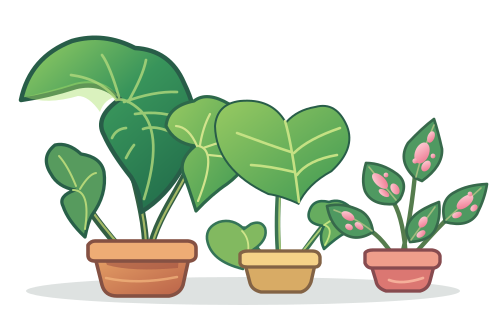
Plants use light energy to turn water and carbon dioxide from the air into sugars. They also release oxygen. This is called photosynthesis.
Go a little nerdier
Chlorophyll is a green pigment that captures light. Roots absorb water; leaves take in carbon dioxide. Soil supplies water and minerals, but the plant makes its own sugars.
Liquid water can become invisible water vapor. That change is evaporation. When vapor cools and condenses into tiny droplets, clouds can form. Water may later fall as rain.
Go a little nerdier
Water keeps moving through air, land and living things. Rain can soak into soil, flow toward rivers, or collect in lakes. This picture is a simplified model, not every possible route.
A bee visiting a flower may pick up pollen and carry it to another flower. Pollination is pollen moving to the flower part that can receive it, helping plants produce seeds.
Go a little nerdier
Bees are not the only helpers. Other animals, and sometimes wind or water, move pollen too. Nectar is a sugary liquid; pollen is not nectar.